Lemosho Route 8 Days Kilimanjaro Trek
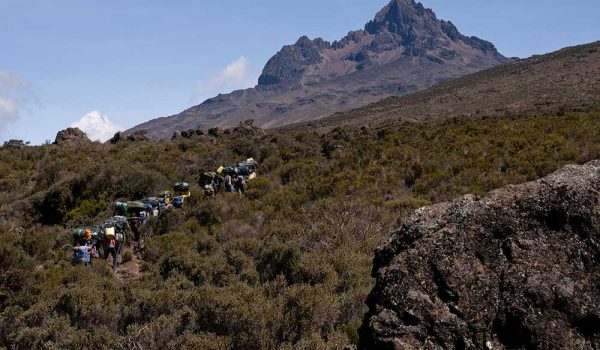
The Lemosho Route is widely considered the most scenic and well-balanced way to climb Mount Kilimanjaro. Starting on the remote western side, it offers a quieter approach through lush rainforest before opening onto the expansive Shira Plateau. The route provides excellent acclimatization thanks to its gradual ascent profile and the “climb high, sleep low” principle used on key days. Trekkers experience diverse landscapes, from dense forest to alpine desert and glacial summit zones. As the route merges with the Machame trail, it becomes more social while still retaining its sense of space and scale. Lemosho is ideal for those seeking a high success rate, varied scenery, and a less crowded start. The longer duration options significantly improve acclimatization and comfort, making it a top choice for first-time climbers aiming for a successful summit.
Climbing Mount Kilimanjaro is challenging but achievable for most people with good fitness and determination. It is a non-technical trek, meaning no climbing experience or ropes are required. The main difficulty comes from altitude, as oxygen levels decrease significantly near the summit. Choosing a longer route with proper acclimatization greatly improves your chances of success and makes the climb more manageable overall.
No technical climbing experience is required to summit Mount Kilimanjaro. However, prior hiking or trekking experience is highly recommended, especially on multi-day treks. Being comfortable walking for several hours a day over varied terrain will make the experience more enjoyable. Basic fitness preparation, including cardio and endurance training, will also help you handle the demands of the climb.
Mount Kilimanjaro can be climbed year-round, but the best conditions are typically during the dry seasons: January to March and June to October. These periods offer clearer skies, better trail conditions, and more stable weather. The rainy seasons (April–May and November) can make trails slippery and visibility limited, although they are quieter and less crowded for those seeking solitude.
Summit success rates vary depending on the route and duration. Shorter itineraries have lower success rates due to limited acclimatization time, while longer routes such as Lemosho or Machame (7–8 days) significantly improve your chances. On well-paced itineraries with proper acclimatization, success rates can exceed 85–90%, especially when supported by experienced guides and a strong support team.
You will need proper trekking gear suitable for a wide range of conditions, from warm rainforest to freezing summit temperatures. Essential items include layered clothing, a warm down jacket, waterproof outerwear, sturdy hiking boots, gloves, a hat, and a good-quality sleeping bag. Trekking poles, a headlamp, and a daypack are also important. Most group equipment is provided, but personal gear is your responsibility.
| Group Size | Per Person |
| Each of 2 Pax | $2.550,00 |
| Each of 4 Pax | $2.200,00 |
| Each of 6-12pax | $1.900,00 |
Highlights
- Most scenic route on Kilimanjaro
- Excellent acclimatization profile
- High summit success rate
- Quiet start, joins Machame later
- Ideal for 7–8 day climbs
Make your Kilimanjaro adventure a reality with Wanyama African Safaris.
Customize every detail of your journey to match your preferences, using flexible sample itineraries as your starting point. Our experienced safari specialists work closely with you to design a personalized adventure that reflects your vision and delivers an unforgettable travel experience.
Day 1: Londorossi Gate to Mti Mkubwa Camp
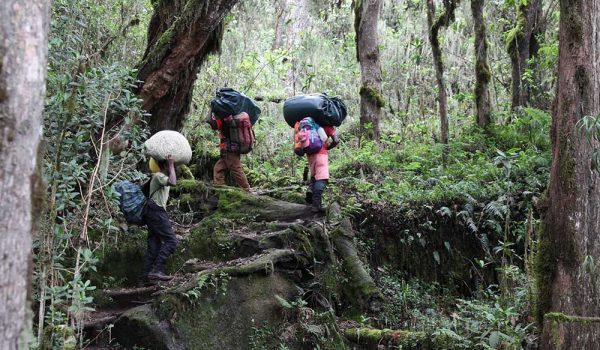
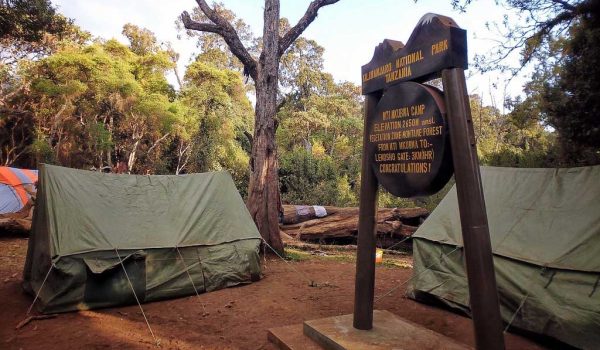
Arrive at Londorossi Gate for registration and a short briefing before transferring to the trailhead. The trek begins in dense rainforest, where tall trees, moss-covered trunks, and rich birdlife create a humid, vibrant environment. The trail is gentle but steady, allowing you to ease into the climb. Reach Mti Mkubwa Camp in the afternoon, settle in, and enjoy your first dinner on the mountain.
Day 2: Mti Mkubwa to Shira 1 Camp
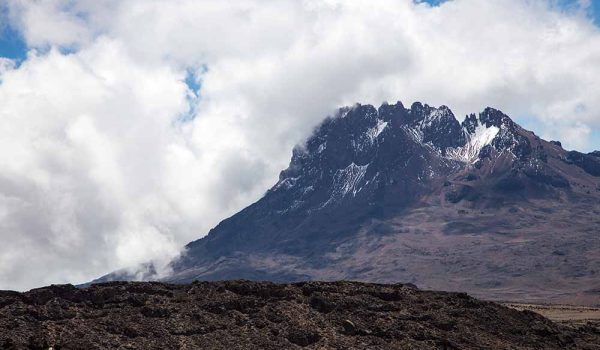
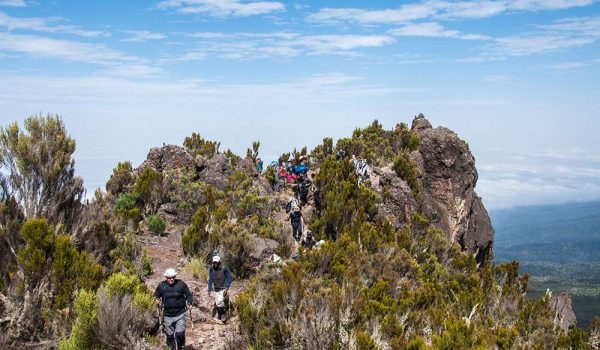
Leave the rainforest behind as the vegetation thins and the trail rises into open moorland. The landscape gradually transforms into rolling hills and volcanic formations. As you gain elevation, the air becomes cooler and drier. You’ll begin to see distant views of Kibo Peak. Arrive at Shira 1 Camp with time to relax, hydrate, and adjust to the increasing altitude.
Day 3: Shira 1 to Shira 2 Camp
Today’s trek crosses the Shira Plateau, one of the most scenic sections of the route. The terrain is relatively gentle, allowing for a steady pace while your body continues to acclimatize. Expansive views stretch across the plateau, with Kibo’s summit becoming more prominent. The shorter distance helps conserve energy. Arrive at Shira 2 Camp in the afternoon for rest and preparation for higher elevations.
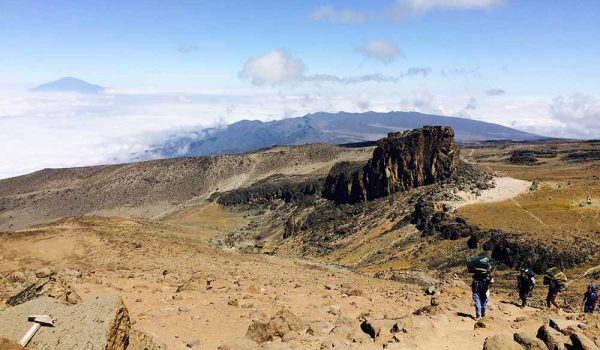
Day 4: Shira 2 to Moir Hut
A gradual hike leads away from the main trail toward Moir Hut, offering a quieter and more remote experience. The terrain features rolling hills and volcanic rock formations, with optional short hikes around Lent Hills for additional acclimatization. This extra day helps your body adapt to altitude more effectively, increasing summit success rates. Enjoy a peaceful evening at Moir Hut with expansive mountain views.
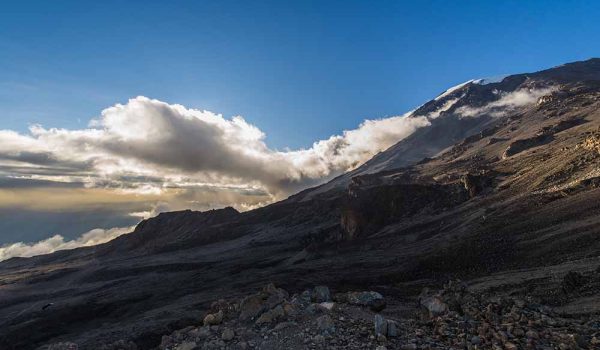
Day 5: Moir Hut to Barranco Camp
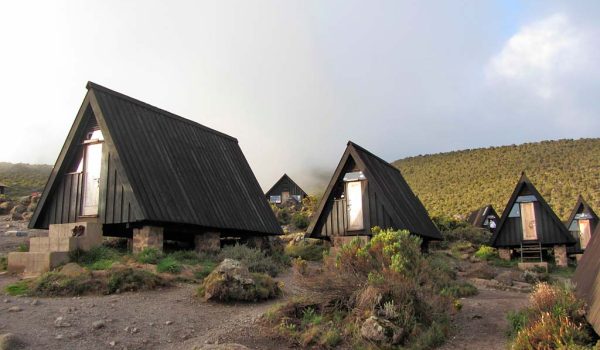
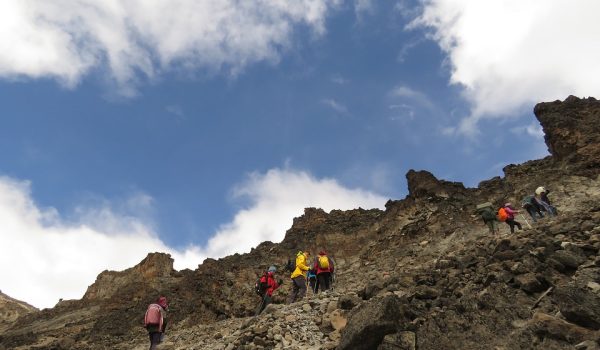
Rejoin the main route and continue toward Lava Tower, reaching higher altitude before descending again to Barranco Camp. The day reinforces acclimatization through the “climb high, sleep low” principle. The landscape becomes increasingly rugged and dramatic, with large rock formations and wide valleys. Arrive at Barranco Camp beneath the towering Barranco Wall, where you can relax and prepare for the next day’s climb.
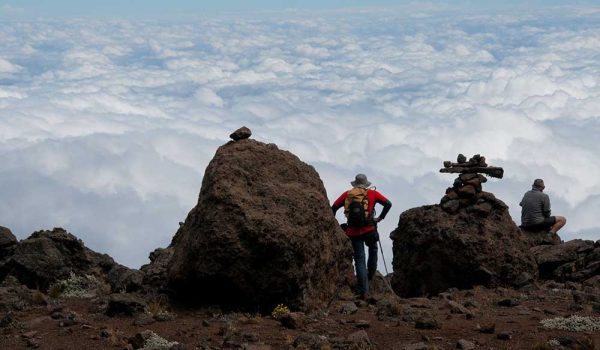
Day 6: Barranco to Karanga Camp
Rejoin the main route and continue toward Lava Tower, reaching higher altitude before descending again to Barranco Camp. The day reinforces acclimatization through the “climb high, sleep low” principle. The landscape becomes increasingly rugged and dramatic, with large rock formations and wide valleys. Arrive at Barranco Camp beneath the towering Barranco Wall, where you can relax and prepare for the next day’s climb.
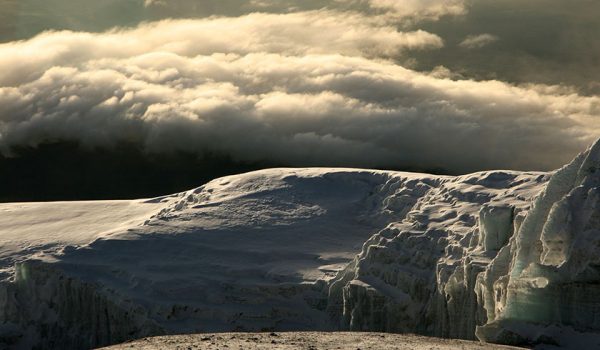
Day 7: Karanga to Barafu Camp
Continue your ascent across barren alpine desert terrain, with fewer plants and increasing exposure. The trail becomes steeper as you approach Barafu Camp, your base for the summit attempt. The environment is stark and dramatic, emphasizing the high altitude. Arrive early to rest, organize your gear, and receive a briefing for the midnight summit push. An early dinner is followed by a short sleep.
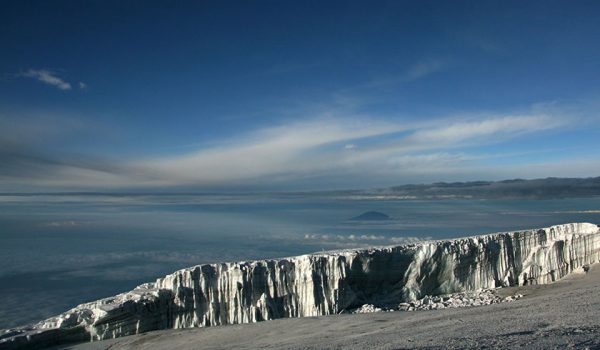
Day 8: Summit & Descent to Mweka Camp
Begin your summit attempt around midnight under a star-filled sky. The climb is slow and steady, reaching Stella Point at sunrise. Continue along the crater rim to Uhuru Peak, the highest point in Africa. After celebrating, descend carefully to Barafu Camp for a short rest, then continue down to Mweka Camp. The descent is long but rewarding as oxygen levels increase and vegetation gradually returns.
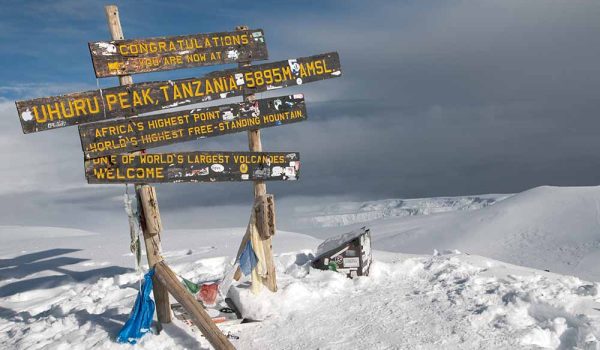
Day 9: Mweka Gate to Moshi
After breakfast, continue your descent through lush rainforest to Mweka Gate. The trail can be muddy, requiring careful footing as you lose altitude. Upon arrival, complete park formalities and receive your summit certificate. Meet your driver and transfer back to your hotel in Moshi. Enjoy a hot shower, a well-earned rest, and time to celebrate your successful climb.
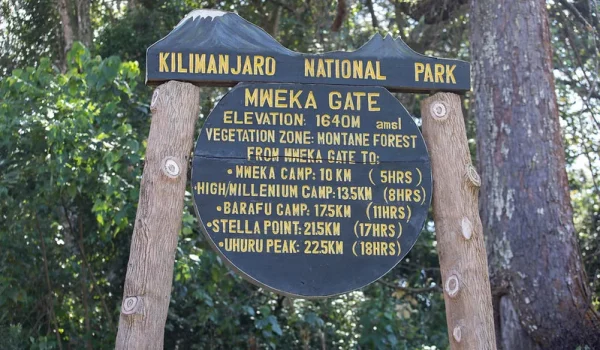
What is included:
- Transfer to and from Kilimanjaro Airport
- Two nights’ accommodation in Moshi. {Pre and post climbing accommodation
- Park fees, Camping fees, Hut fees, rescue fees and 18% VAT on tour fees and
- Transport to and from the mountain gates before and after climb
- Certified, professional and highly Experienced mountain guides, cooks and porters
- Fair wages for the mountain crew as approved by the Kilimanjaro National Park Authority (KINAPA), Kilimanjaro Association of Tour Operators (KIATO)
- Warm water to wash every evening at camp
- All meals on the Mountain.
- 3 freshly prepared meals daily while on the mountain
- Daily tea and coffee at camp
- Filtered water throughout the trek
- All Camping Equipment.
- 4 season sleeping tents
- Comfortable sleeping mattress
- Crew tents
- Mess tent
What is excluded:
International flights
Travel insurance
Visa fees for Tanzania
Tips for guides and porters
Personal expenses (laundry, souvenirs, drinks)
Optional activities (balloon safaris, village visits, night drives)
Vaccinations or medical preparations (e.g. malaria tablets, yellow fever shots)
Tailor Made Tours
Custom safari itinerary for you.
Let us plan your dream holiday!
Why Wanyama African Safari?
- Price Guarantee
- We Know Tanzania
- Unique Experience
- Fast Friendly Response
- 24/7 Support
- Every Adventure Makes a Difference