Machame Route 7 Days Kilimanjaro Trek
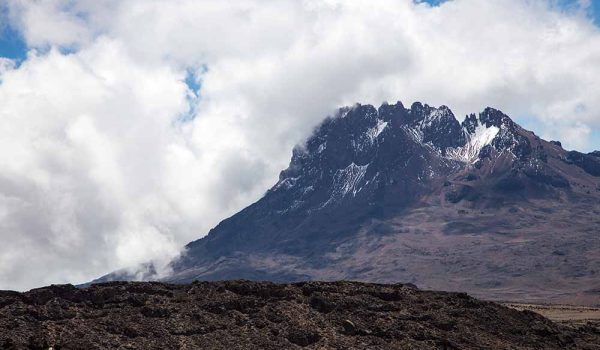
The Machame Route, often called the “Whiskey Route,” is one of the most popular ways to climb Mount Kilimanjaro. It offers a great combination of scenic beauty, varied terrain, and a strong acclimatization profile. The trail begins in dense rainforest before transitioning into moorland and alpine desert, with impressive views throughout the climb. Key highlights include crossing the Shira Plateau and tackling the iconic Barranco Wall. The route uses a “climb high, sleep low” strategy, which improves altitude adaptation and increases summit success rates compared to shorter routes. While more crowded than Lemosho, Machame remains a favorite due to its balance of challenge and reward. It is suitable for trekkers with good fitness levels, especially on the 7-day option, which provides better acclimatization and a more comfortable pace.
Climbing Mount Kilimanjaro is challenging but achievable for most people with good fitness and determination. It is a non-technical trek, meaning no climbing experience or ropes are required. The main difficulty comes from altitude, as oxygen levels decrease significantly near the summit. Choosing a longer route with proper acclimatization greatly improves your chances of success and makes the climb more manageable overall.
No technical climbing experience is required to summit Mount Kilimanjaro. However, prior hiking or trekking experience is highly recommended, especially on multi-day treks. Being comfortable walking for several hours a day over varied terrain will make the experience more enjoyable. Basic fitness preparation, including cardio and endurance training, will also help you handle the demands of the climb.
Mount Kilimanjaro can be climbed year-round, but the best conditions are typically during the dry seasons: January to March and June to October. These periods offer clearer skies, better trail conditions, and more stable weather. The rainy seasons (April–May and November) can make trails slippery and visibility limited, although they are quieter and less crowded for those seeking solitude.
Summit success rates vary depending on the route and duration. Shorter itineraries have lower success rates due to limited acclimatization time, while longer routes such as Lemosho or Machame (7–8 days) significantly improve your chances. On well-paced itineraries with proper acclimatization, success rates can exceed 85–90%, especially when supported by experienced guides and a strong support team.
You will need proper trekking gear suitable for a wide range of conditions, from warm rainforest to freezing summit temperatures. Essential items include layered clothing, a warm down jacket, waterproof outerwear, sturdy hiking boots, gloves, a hat, and a good-quality sleeping bag. Trekking poles, a headlamp, and a daypack are also important. Most group equipment is provided, but personal gear is your responsibility.
| Group Size | Per Person |
| Each of 2 Pax | $2.350,00 |
| Each of 4 Pax | $1.800,00 |
| Each of 6-12pax | $1.750,00 |
Highlights
- Most scenic route on Kilimanjaro
- Excellent acclimatization profile
- High summit success rate
- Quiet start, joins Machame later
- Ideal for 7–8 day climbs
Make your Kilimanjaro adventure a reality with Wanyama African Safaris.
Customize every detail of your journey to match your preferences, using flexible sample itineraries as your starting point. Our experienced safari specialists work closely with you to design a personalized adventure that reflects your vision and delivers an unforgettable travel experience.
Day 1: Machame Gate to Machame Camp
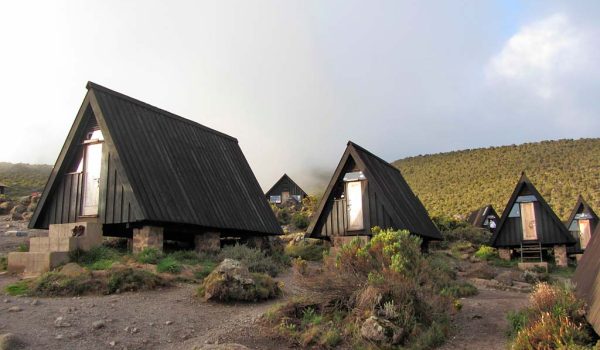
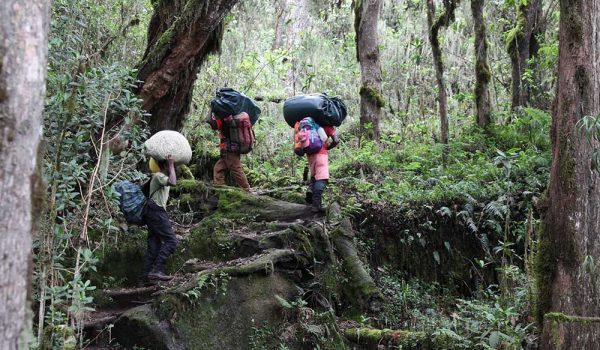
Start at Machame Gate with registration before entering dense rainforest. The trail climbs steadily through lush vegetation, where humidity is high and the air is rich with forest sounds. Giant trees and ferns line the path, creating a scenic introduction to the trek. Arrive at Machame Camp in the afternoon, settle into camp, and enjoy your first mountain dinner.
Day 2: Machame to Shira Camp
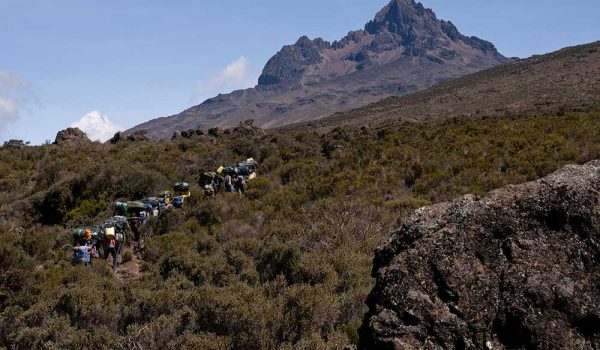
The trail steepens as you leave the forest and enter moorland. Vegetation becomes sparse, and the landscape opens to reveal wide views of the mountain. The air cools noticeably as you gain altitude. The route continues across ridges and valleys before reaching Shira Camp, where you’ll have time to rest and begin acclimatizing to higher elevations.
Day 3: Shira to Barranco Camp (via Lava Tower)
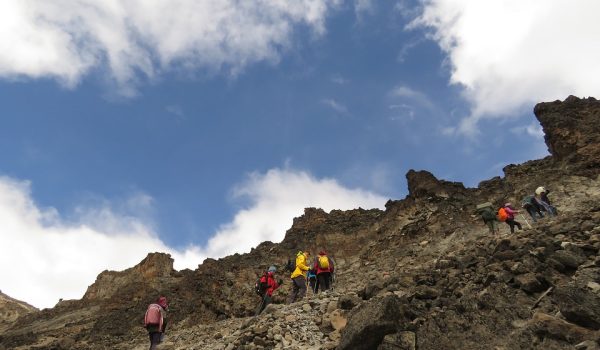
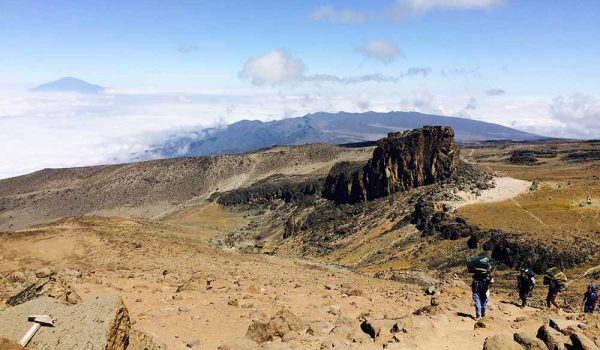
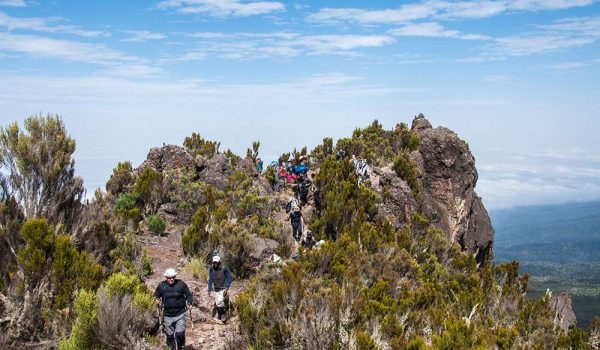
Ascend toward Lava Tower, gaining significant altitude before descending again to Barranco Camp. This important acclimatization day helps your body adjust to thinner air. The terrain becomes more rugged and rocky, with dramatic views along the way. After reaching Lava Tower, descend into the scenic Barranco Valley, where the camp is surrounded by towering cliffs and unique vegetation.
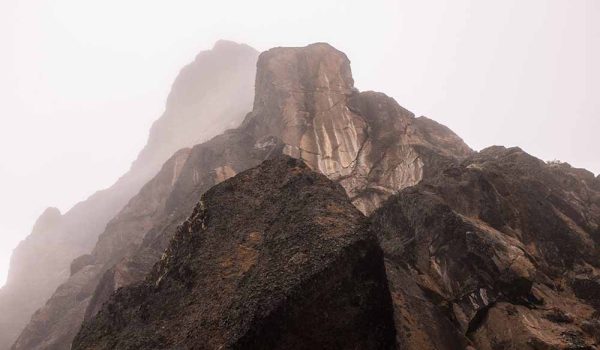
Day 4: Barranco to Karanga Camp
Climb the Barranco Wall and continue across ridges toward Karanga Camp. This shorter trekking day allows for better acclimatization and recovery. The route offers a mix of ascents and descents, with impressive views of the surrounding valleys. Arrive early at Karanga Camp, giving you time to rest and prepare for the next stage of the climb.
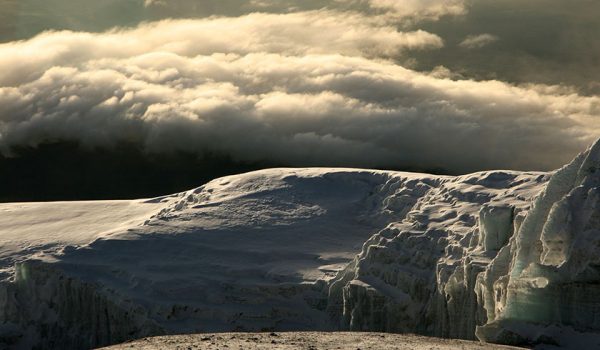
Day 5: Karanga to Barafu Camp
The trek continues with a steep but manageable ascent that offers spectacular views. Continue across undulating terrain toward Barafu Camp, passing through alpine desert conditions. The environment becomes increasingly harsh, with minimal vegetation. Arrive at Barafu in the afternoon, rest, and prepare for the summit attempt with an early dinner and briefing.
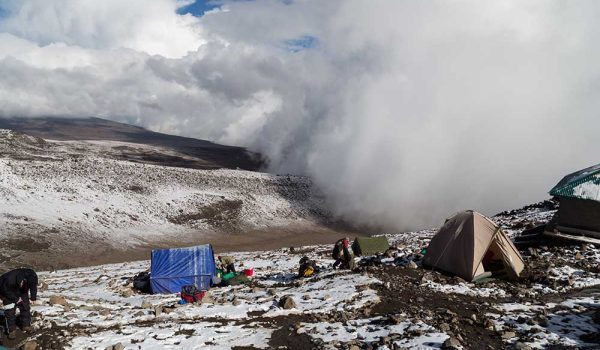
Day 6: Summit & Mweka Camp
Begin your summit push around midnight, climbing steadily toward Stella Point. Reach the crater rim at sunrise and continue to Uhuru Peak. After taking in the views, descend to Barafu for a short rest before continuing to Mweka Camp. The descent is long and physically demanding but becomes easier as oxygen levels increase at lower altitudes.
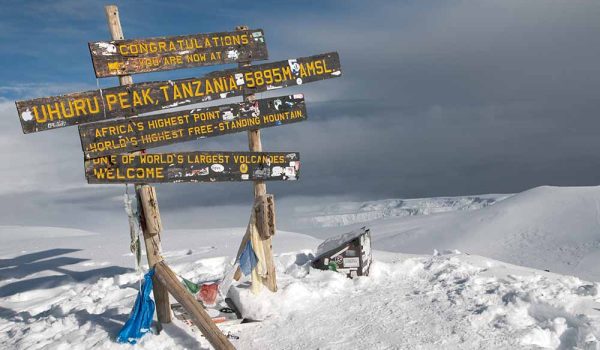
Day 7: Mweka Camp to Gate
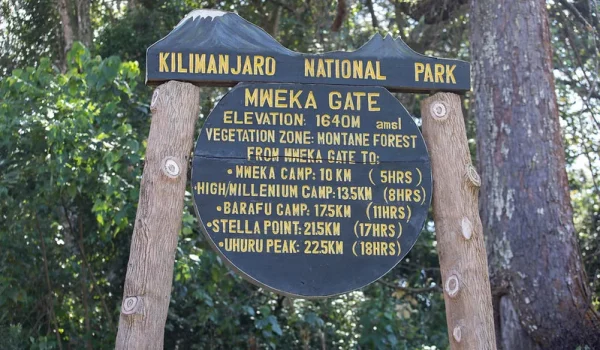
Descend through rainforest, where the air becomes warmer and more humid. The trail is well-defined but can be muddy, requiring careful footing. Enjoy the return to lush vegetation and the sounds of wildlife. Upon reaching Mweka Gate, receive your summit certificates and transfer back to your hotel, marking the successful completion of your climb.
What is included:
- Transfer to and from Kilimanjaro Airport
- Two nights’ accommodation in Moshi. {Pre and post climbing accommodation
- Park fees, Camping fees, Hut fees, rescue fees and 18% VAT on tour fees and
- Transport to and from the mountain gates before and after climb
- Certified, professional and highly Experienced mountain guides, cooks and porters
- Fair wages for the mountain crew as approved by the Kilimanjaro National Park Authority (KINAPA), Kilimanjaro Association of Tour Operators (KIATO)
- Warm water to wash every evening at camp
- All meals on the Mountain.
- 3 freshly prepared meals daily while on the mountain
- Daily tea and coffee at camp
- Filtered water throughout the trek
- All Camping Equipment.
- 4 season sleeping tents
- Comfortable sleeping mattress
- Crew tents
- Mess tent
What is excluded:
International flights
Travel insurance
Visa fees for Tanzania
Tips for guides and porters
Personal expenses (laundry, souvenirs, drinks)
Optional activities (balloon safaris, village visits, night drives)
Vaccinations or medical preparations (e.g. malaria tablets, yellow fever shots)
Tailor Made Tours
Custom safari itinerary for you.
Let us plan your dream holiday!
Why Wanyama African Safari?
- Price Guarantee
- We Know Tanzania
- Unique Experience
- Fast Friendly Response
- 24/7 Support
- Every Adventure Makes a Difference